.svg)
Different Types of Furniture Material and Their Durability
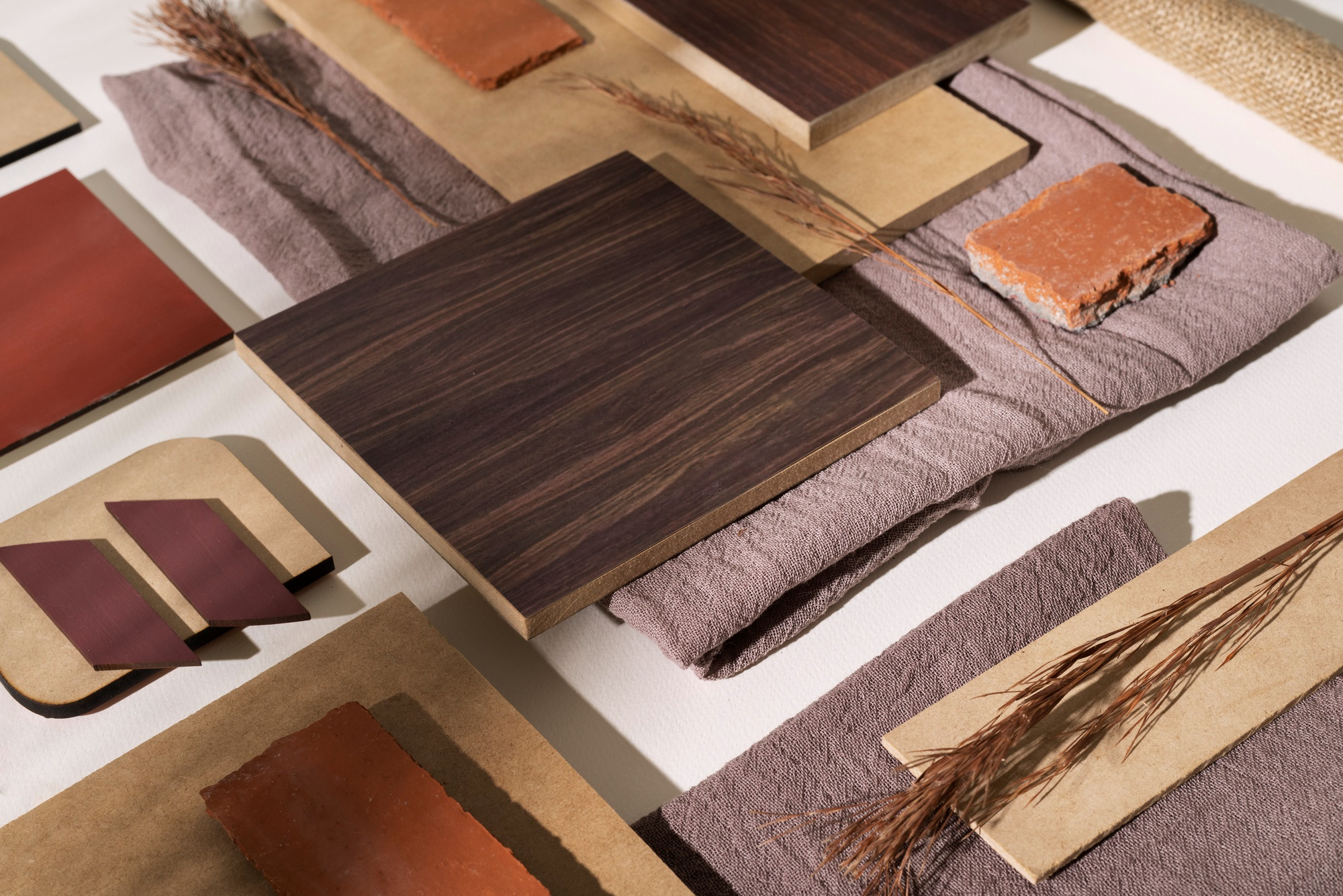
Ever bought a beautiful piece of furniture only to see it chip, warp, or wear out too soon?
Ever bought a beautiful piece of furniture only to see it chip, warp, or wear out too soon? You’re not alone. Many people struggle to tell which furniture material types can truly stand up to everyday life. From solid wood and metal to glass and engineered finishes, each material has its strengths but also its weak spots. Understanding how they differ in durability, maintenance, and lifespan can save you from costly mistakes and constant replacements. This detailed update breaks it all down in clear, helping you invest in furniture that lasts longer, looks better, and fits your lifestyle and budget.
AFC Furniture Solutions, doesn't take the guesswork out of the process offering expertly crafted pieces made from high-quality materials built to last. With AFC, you’re not just buying furniture; you’re investing in long-term comfort, design, and trust.
The Importance of Choosing the Right Furniture Material
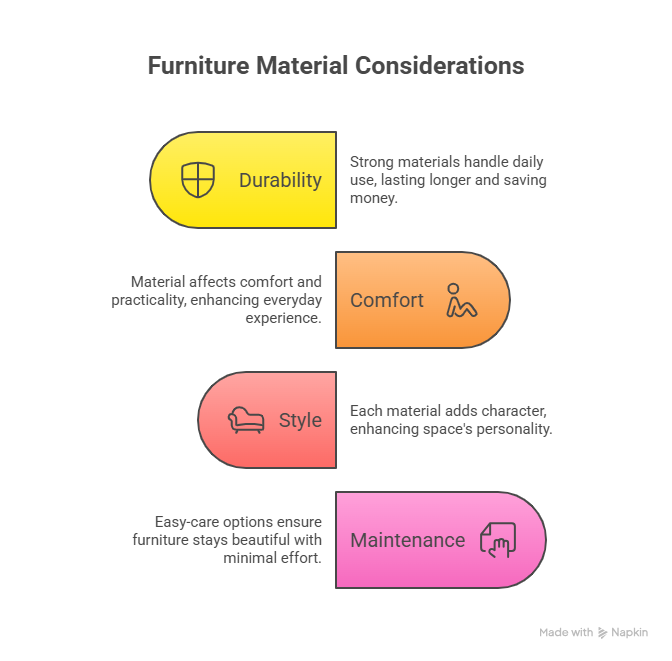
The foundation of great furniture begins with the right material. More than just its appearance, the material determines how well your furniture holds up, feels, and fits into your daily life. Let’s look at why picking the perfect furniture material matters:
- Durability and Lifespan
Strong, high-quality materials like solid wood or metal can handle daily use without losing shape or shine. They last longer, saving you money on constant repairs or replacements. - Comfort and Functionality
The right material directly affects how comfortable and practical your furniture is. Soft fabrics, sturdy frames, and smooth finishes create a better everyday experience. - Style and Aesthetic Appeal
Each material adds its own character; wood brings warmth, metal adds modern flair, and glass enhances elegance. The right mix enhances your space’s personality. - Maintenance and Care
Some materials need more attention than others. Choosing easy-care options ensures your furniture stays beautiful with minimal effort.
Understanding different furniture material types helps you make smarter, lasting choices that truly fit your lifestyle and budget.
AFC Solutions
In environments like classrooms, hostels, libraries, cafés, and offices, furniture must combine durability, comfort, and style. AFC delivers tables, chairs, seating, soft seating, and workstations crafted from high-quality materials that stand up to daily use, provide long-lasting comfort, and enhance the overall look of any space.
Know more: Designing for Teamwork: How Collaborative Furniture Enhances Office Productivity
Different Types of Materials Mostly Used in Making Best Quality Furniture
Wood
Wood furniture is one of the most popular furniture material types used in manufacturing. Known for its natural beauty, strength, and versatility, it brings warmth and elegance to any interior. It can last for generations, adapt to different styles, and create a cozy, welcoming atmosphere in both homes and offices
Solid woods
Solid wood is a furniture material type crafted entirely from natural, unprocessed wood, known for its strength and durability. It’s a top choice because it can withstand daily use, be refinished when needed, and lasts for generations.
- Oak: A dense, durable wood with a prominent grain, oak is perfect for tables, chairs, and cabinets. Its strength withstands daily use, and it can be refinished to maintain timeless beauty.
- Teak: Naturally resistant to moisture, pests, and decay, teak works well for benches, wardrobes, and coffee tables. Its warm golden-brown tone deepens with age, adding luxury and longevity.
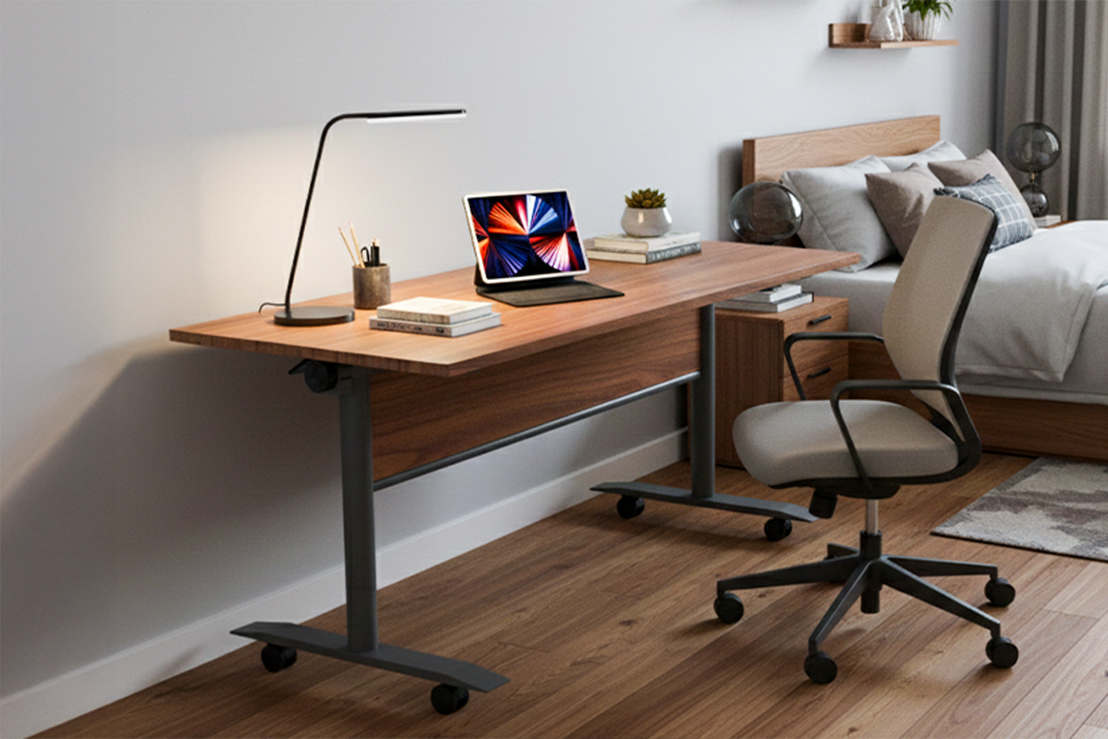
- Maple: Hard, smooth, and light-colored, maple is ideal for desks, cabinets, and study tables. Its fine grain and durability make it versatile for both modern and classic interiors.
- Walnut: Rich, dark, and strong, walnut suits executive desks, dining tables, and accent chairs. Over time, it develops a beautiful coating, enhancing elegance and sophistication.
- Mahogany: Mahogany furniture is crafted from a dense, reddish-brown hardwood prized for its rich color, fine grain, and exceptional durability. It resists warping, swelling, and shrinking, making it ideal for long-lasting, high-quality pieces.
Engineered woods
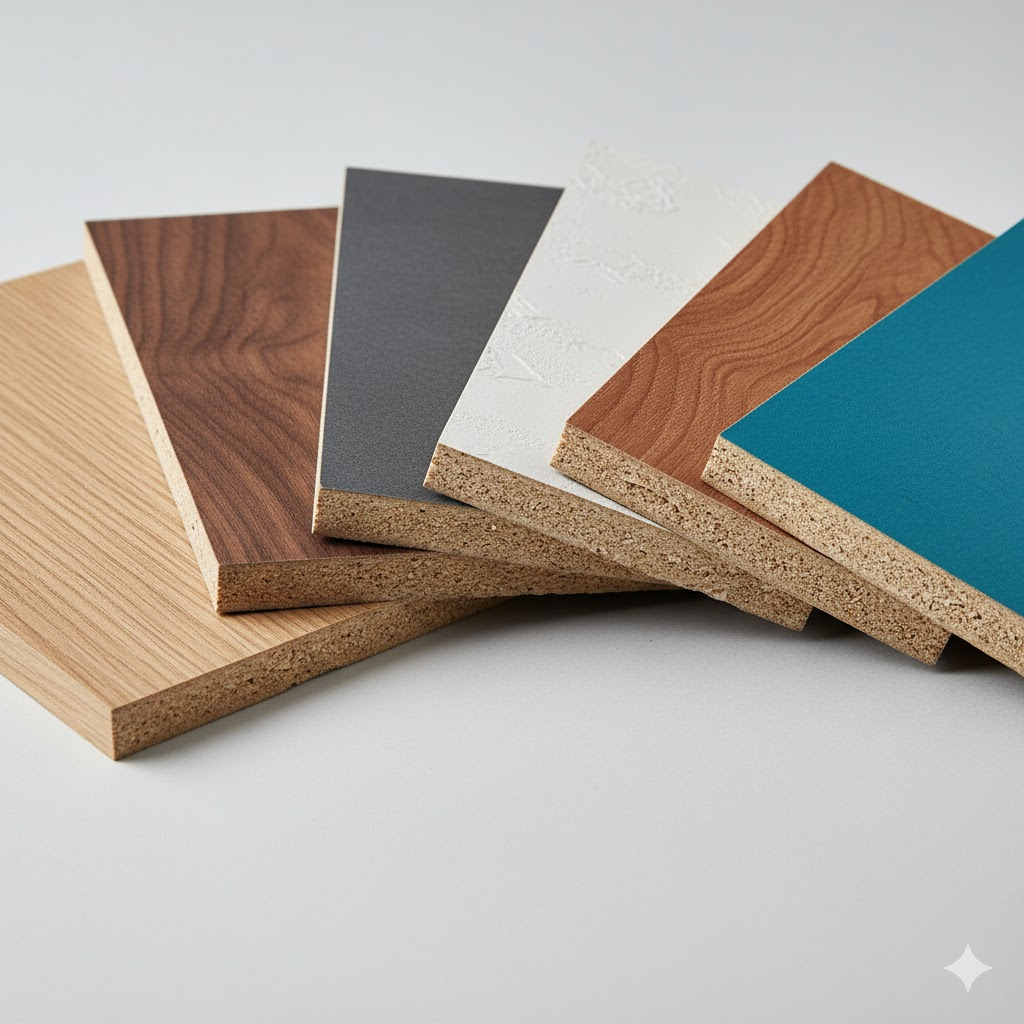
Engineered Woods are man-made furniture material types typically a by-product of wood made by binding wood fibers, veneers, or particles with adhesives. They are designed for stability, and cost-effectiveness, making them an excellent choice for furniture that is durable, versatile, and budget-friendly.
- Plywood: Made by layering wood veneers with strong adhesives, plywood is ideal for Tables and Panel Series Workstations. It offers strength and resistance to warping.
- MDF (Medium-Density Fiberboard): MDF is made by compressing fine wood fibers with resin under heat to create smooth, uniform panels. Its even surface and durability make it perfect for Table Series.
- Particleboard: Particleboard is manufactured by pressing wood chips and shavings with resin into flat sheets. It is lightweight, affordable, and practical for Desking Tables where moderate strength is sufficient.
Metal
Metal is a popular furniture material type that brings a sleek, contemporary look to any space. It’s valued because it’s sturdy, easy to care for, making it perfect for both home and office use.
- Steel: Strong, sturdy, and long-lasting, steel is ideal for heavy-use furnitures.It provides excellent structural support and resists bending or breaking.
- Aluminum: Lightweight yet durable, aluminum is rust-resistant and easy to move, making it great for Training Tables. It also offers a sleek, modern finish.
- Wrought Iron: Heavy, strong, and highly durable. Its flexibility allows for detailed designs, and when powder-coated, it resists rust and weather damage, making it ideal for long-lasting decorative pieces.
Upholstery
Upholstery furniture material type is made with soft fabric, leather, or synthetic coverings over padding and a strong frame. Offering endless choices in colors, textures, and designs, upholstery furniture adds both luxury and personality to homes and offices.
- Fabric: Among all furniture material types, fabric furniture is the most common and adaptable. Made from cotton, polyester, or blends, it offers endless color and texture choices that bring warmth and character to any space.
- Leather: Leather furniture is a classic choice known for its durability, elegance, and long lifespan. As one of the most premium different types of furniture material, it’s smooth, easy to clean, and ages beautifully over time.
- Linen: Linen furniture predominantly used in sofa seating is natural, breathable, and eco-friendly perfect for light, airy spaces. Made from flax fibers, it feels cool and relaxed while adding an effortless elegance.
- Microfiber: Microfiber upholstery is a smart and family-friendly option, made from tightly woven synthetic fibers, it’s soft to the touch, resistant to stains, and built for everyday use. Perfect for homes with kids or pets, microfiber blends comfort, durability, and easy upkeep beautifully.
Synthetic Materials
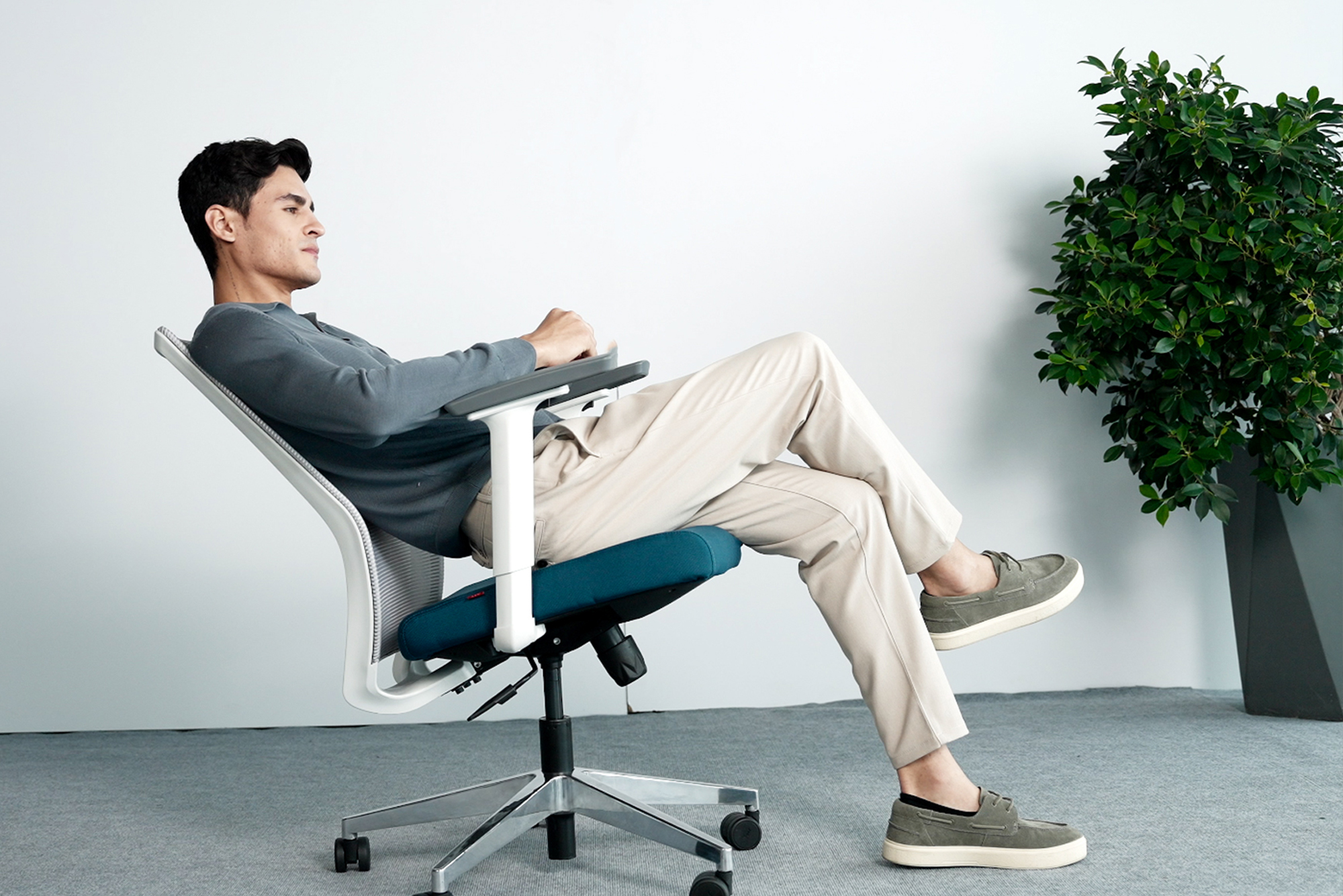
Synthetic materials furniture is made from man-made materials like PU, acrylic, or resin designed to replicate the look and feel of natural materials. It’s lightweight, durable, and resistant to moisture and fading. Synthetic materials are widely used in height-adjustable desks and mesh chairs.
Read more: How to Create a Collaborative Workspace with Smart Furniture Choices
Features to Consider before selecting the preferred Furniture Material
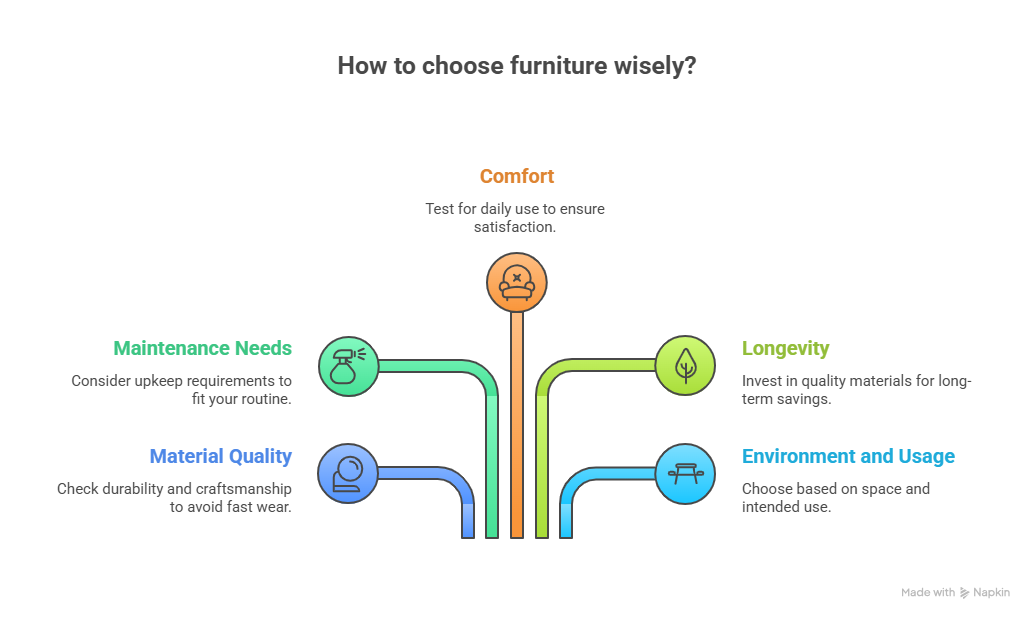
When it comes to furniture, material matters as much as design. The right choice balances style, strength, and practicality, helping your furniture stay beautiful and functional for years to come.
- Ignoring Material Quality
Don’t fall for looks alone. Some furniture may appear stylish but is made from poor-quality materials that wear out fast. Always check durability and craftsmanship before you buy. - Overlooking Maintenance Needs
Every material needs a different level of care. Wood and fabric need regular upkeep, while metal or synthetic options are easier to maintain. Pick what fits your routine. - Compromising on Comfort
Beautiful furniture isn’t worth it if it’s uncomfortable. Always test how it feels, especially for chairs and sofas you’ll use daily. - Choosing Price Over Longevity
Going cheap can cost more in the long run. Investing in quality materials like solid wood or stainless steel ensures your furniture lasts for years. - Neglecting Environment and Usage
Not all furniture suits every space. For example, synthetic or metal pieces work better outdoors, while wood fits indoor comfort best. Choose based on where and how you’ll use it.
Balancing price vs. lifespan means investing wisely opting for durable materials that deliver comfort, style, and reliability without frequent replacements.
Conclusion
At the end of the day, selecting the right furniture material isn’t just about what looks good, it's about how it fits your life. Whether you love the natural charm of wood, the modern touch of metal, or the easy upkeep of synthetics, every material has its own story and strength. When you take the time to understand these furniture material types, you’re not just decorating a space, you're investing in comfort, quality, and longevity.
AFC India is a right place for picking the perfect fit for you that offers personalised touch catering all your needs in a wide range of materials and solutions. Connect with us today!
FAQ’s
Which furniture material is most durable?
Solid hardwoods such as teak, oak, and mahogany are among the most durable furniture materials available today. They are known for their strength, resistance to moisture, and ability to last for decades with proper care. Metal furniture, especially stainless steel and wrought iron, also offers excellent durability for both indoor and outdoor use. Choosing between wood and metal often depends on the desired look, maintenance level, and placement of the furniture
What is meant by durability in furniture?
Durability in furniture refers to a piece’s ability to withstand daily wear and tear, pressure, and environmental changes without losing its structural integrity or appearance. High durability often depends on the quality of materials, craftsmanship, and finishing techniques used. Furniture made from hardwoods, metal alloys, or high-grade engineered materials typically exhibits superior durability and longer lifespans.
Which are the most demanding types of furniture material?
Wood, metal, and upholstery remain the most in-demand furniture materials in both residential and commercial markets. Solid woods like oak and teak are favored for their timeless appeal and strength, while metals such as steel and aluminum offer modern aesthetics and high resilience. Upholstered furniture, often made with durable fabrics or leather, is popular for its comfort, versatility, and ability to match various interior styles.
What types of materials are popular in contemporary furniture design?
Contemporary furniture design frequently incorporates materials such as wood, metal, glass, and engineered synthetics like acrylic, plastic, and resin. These materials are chosen for their clean lines, lightweight properties, and adaptability to minimalist or modern aesthetics. Sustainable and eco-friendly materials, such as bamboo and recycled composites, are also gaining popularity as consumers prioritize environmentally conscious designs.
Explore Other Popular Blogs

Let’s build together
Tell us about your project and we’ll help you plan, design, and deliver at scale.
.jpg)
.svg)