.svg)
What is the Standard Size of a Study Table? A Complete Buying Guide
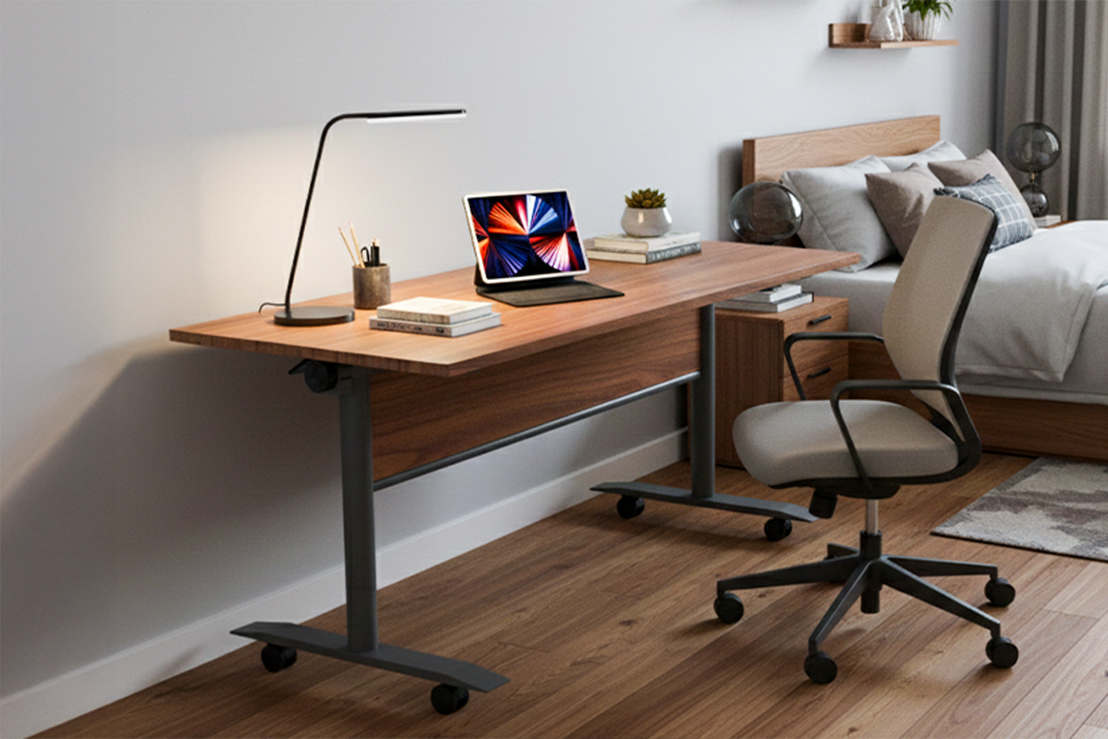
Choosing a table that fits your height, space, and lifestyle ensures a comfortable, efficient workspace — and AFC’s ergonomic designs take that comfort to a smarter level.
Many people don't realize how the size of their study table affects their comfort level until they sit at one that doesn’t feel quite right. What seems like a small mismatch can slowly affect your concentration and energy throughout the day.
The standard size of the study table is designed to support good posture, focus, and productivity, making it suitable for both students and professionals. Choosing a study table with the correct dimensions ensures a comfortable workspace where you can work or study for extended periods without any problems. This article will provide you with information on the typical dimensions of a standard study table, how to choose the perfect study table for your work, lifestyle, height, age, and space, and practical tips to help you achieve the right balance of design, comfort, and efficiency.
For the best combination of quality, style, and ergonomic design, explore AFC India exclusive range of tables crafted to make your workspace smarter and more comfortable.
What is the standard size of a study table?
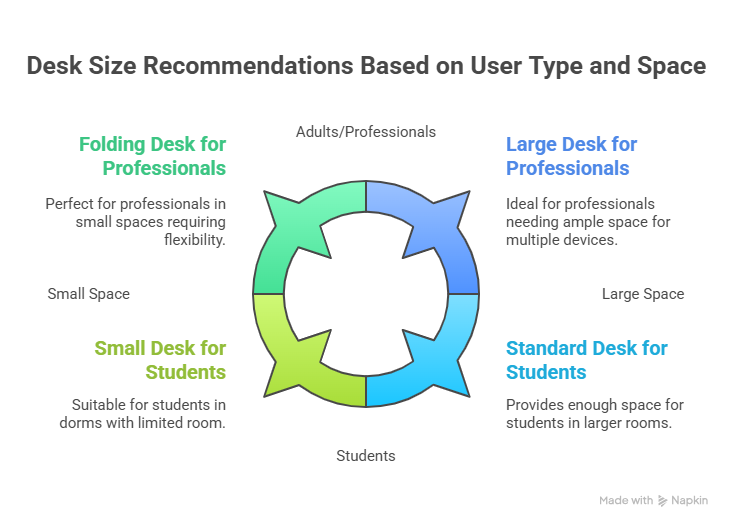
Purchasing the standard size of study table isn't just about measurements, it's about creating a workspace that truly fits your needs, posture, and lifestyle. The best dimensions depend on several factors such as your age, room size, work habits, and the tools you use daily.
- Students: Ideal size is 3–4 feet long and 1.5–2 feet wide, accommodating textbooks, a lamp, and stationery in smaller spaces.
- Adults/Professionals: A larger size of 4–5 feet long and 2–2.5 feet wide is recommended for laptops/desktops, files, and a second screen, promoting comfort for long hours.
- Space-Saving: Consider folding or wall-mounted tables for limited room.
- Selection Factors: Consider your height (for a comfortable 90-degree arm angle), room size (to avoid clutter), primary use (writing, design, or computer work), and storage needs (drawers/shelves).
The best standard size of study table combines comfort, function, and space efficiency helping you stay focused and work with ease.
AFC’s Solution
AFC Furniture has you covered with ergonomic tables in the perfect size, smart storage, and space-saving designs, so you can finally focus, stay organized, and work comfortably every day.
Why Does the Size of a Study Table Matter for Comfort and Productivity?
Having a standard size of the study table plays a crucial role in how comfortable and productive your workspace feels. A table with the right dimensions supports good posture, keeps your essentials organized, and creates an environment that encourages focus.
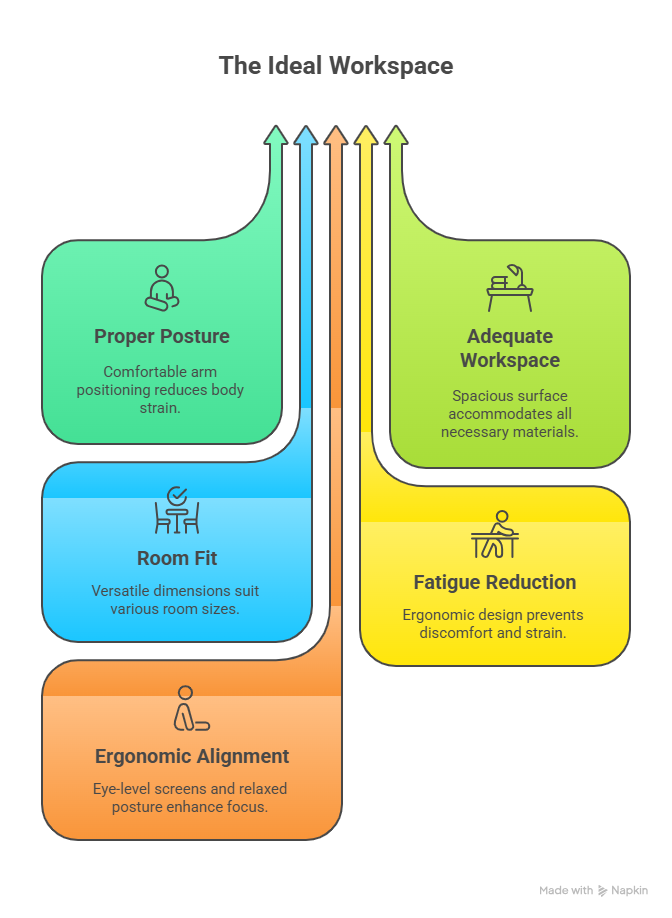
- Supports Proper Posture: A standard height of 28 to 30 inches (71 to 76 cm) allows your arms to rest comfortably at a 90-degree angle, reducing strain on your shoulders, neck, and back during long study or work sessions.
- Provides Adequate Workspace: A width of 48 to 60 inches (122 to 152 cm) and a depth of 24 to 30 inches (61 to 76 cm) gives enough room for laptops, books, and stationery without feeling cramped, helping you stay organized and focused.
- Fits Your Room Layout: These dimensions ensure the table can fit comfortably in most rooms, whether it’s a spacious office or a compact bedroom, without blocking movement or creating clutter.
- Minimizes Fatigue: A table that provides proper legroom and sufficient surface area prevents cramped positions and repetitive strain.
- Supports Ergonomic Alignment: An ergonomic setup maintains eye-level screens, relaxed shoulders, and leg space, reducing strain and stiffness for better long-hour focus.
The standard size of the study table promotes good posture, comfort, and focus, creating a workspace that supports both productivity and physical health.
Read more: How to Choose the Right Furniture for Different Age Groups in Educational Settings
How to Choose the Ideal Study Table Size for Your Space and Needs?

Finding the right study table size is vital for a workspace that’s both practical and comfortable.Considering your space and daily needs ensures a setup that truly supports productivity rather than picking a study table based upon looks and just outer appearance.
- User Height and Age: Choose a table that matches the user’s height and age. Kids and teens need lower, compact tables, while adults may require taller tables with more surface area to maintain proper posture and comfort.
- Purpose of Use: Consider how you’ll use the table. For simple writing or studying, a smaller desk works, but for computer work, multitasking, or using multiple devices, a wider and deeper table is essential to keep everything organized and accessible.
- Room Size and Layout: Measure your room to ensure the table fits comfortably without blocking movement. Proper placement maximizes space and creates a balanced, uncluttered environment.
- Storage and Functionality Needs: If you need easy access to books, files, or stationery, choose a table with drawers, shelves, or compartments. Adequate storage keeps your workspace organized and your focus uninterrupted.
The ideal and standard size of the study table ensures comfort and long term usage by considering user height, age, intended use, room dimensions, and storage needs.
AFC’s Solution
Still confused how to lookout for a perfect match table that is suitable for you or your loved ones? AFC Furniture will give valid answers for that. These are our top picks tailored according to your specific needs
- User Height and Age: AFC Training tables suit teens and adults for proper posture.
- Purpose of Use: Cabin tables for writing, Meeting tables for multitasking and computer work.
- Room Size and Layout: Occasional tables fit small or uniquely shaped rooms perfectly.
- Storage and Functionality: Training tables keep books and stationery organized and are compact and space-saving as they are foldable.
You may also like: Wireless Charging, Adjustable Desks, and Beyond: The Future of Office Furniture
What Materials and Designs Work Best for Study Tables?
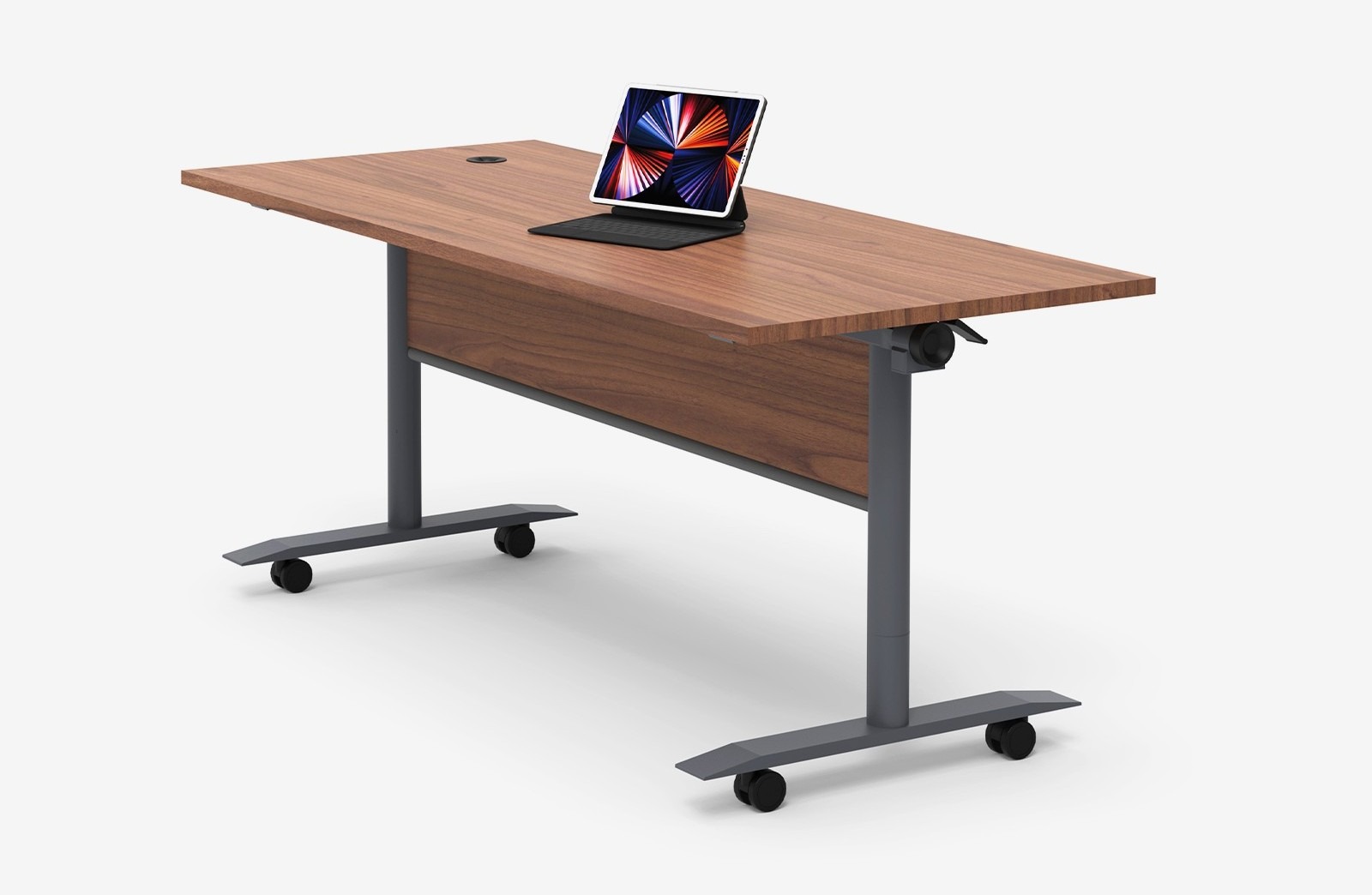
Choosing the right material and design for your study table is just as important as selecting the standard size of the study table. The desk you choose can either inspire productivity or create frustration materials and design make all the difference.
- Material Matters: Solid wood offers strength and a timeless look, engineered wood is lightweight and budget-friendly, and metal frames provide durability with a modern touch.
- Surface and Finish: Laminates and veneers protect against scratches and spills, while smooth or matte finishes improve usability and reduce glare during long study sessions.
- Design Shapes Productivity: Minimalist desks keep spaces clutter-free, while built-in drawers and shelves enhance organization for books, stationery, and devices.
- Space-Saving and Flexible Options: Foldable or height-adjustable tables are perfect for small rooms or evolving needs, letting you adapt your workspace without compromising comfort.
- Aesthetic and Ergonomics: A well-chosen design complements your room while ensuring proper posture, legroom, and desk height, making long work or study sessions comfortable.
A well-selected combination of materials and design ensures your study table is durable, functional, and perfect for long study or work sessions which is achievable with the help of AFC Furniture which is India’s one of the leading modular furniture brands for tables, storage, and seating for homes, classrooms, hostels, libraries, and workstations.
Conclusion
A well-chosen standard size of the study table combines the right amount of comfort, functionality, and style. Buying a study table keeping in mind the user's height, the purpose, the size of the desk, the table's storage space, and the material it's made of, will help you enjoy good posture, concentration power, and long-term productivity in your workspace. The right table will provide you with an inspiring environment for studying and completing professional tasks.
A thoughtfully selected table not only makes long study or work sessions more efficient and strain-free but also transforms your space into an inspiring, functional, and well-balanced environment.
Work, study, or relax without compromise. Let AFC solve your space challenges. Connect with us today.
FAQ’s About Size of Study Tables
Q: What is the standard size of a study table used in most homes?
A standard study table is usually around 28–30 inches high, 48–60 inches wide, and 24–30 inches deep. This size gives you enough space to work comfortably while maintaining good posture.
Q: How do I choose the right size study table?
Pick a table that matches your height, room size, and purpose whether for writing, computer work, or multitasking. The right fit makes your workspace both comfortable and productive.
Q: Which table is best for studying?
The best study table is one that’s ergonomic, spacious, and organized. Look for a clutter-free design with enough surface area and storage for your essentials.
Q: Can the standard size of a study table fit small rooms?
Yes, it can, especially if you go for compact, foldable, or wall-mounted designs. These help save space while still giving you a proper area to focus and study.
Q: Are there variations in the standard size of study tables for different uses?
Yes, study table sizes vary depending on use. Student desks are smaller, while office or computer desks are wider and deeper. Choosing the right size ensures comfort and better organization.
Explore Other Popular Blogs


Let’s build together
Tell us about your project and we’ll help you plan, design, and deliver at scale.
.jpg)
.svg)