.svg)
Coworking Space Furniture Checklist: What Every Shared Workspace Needs
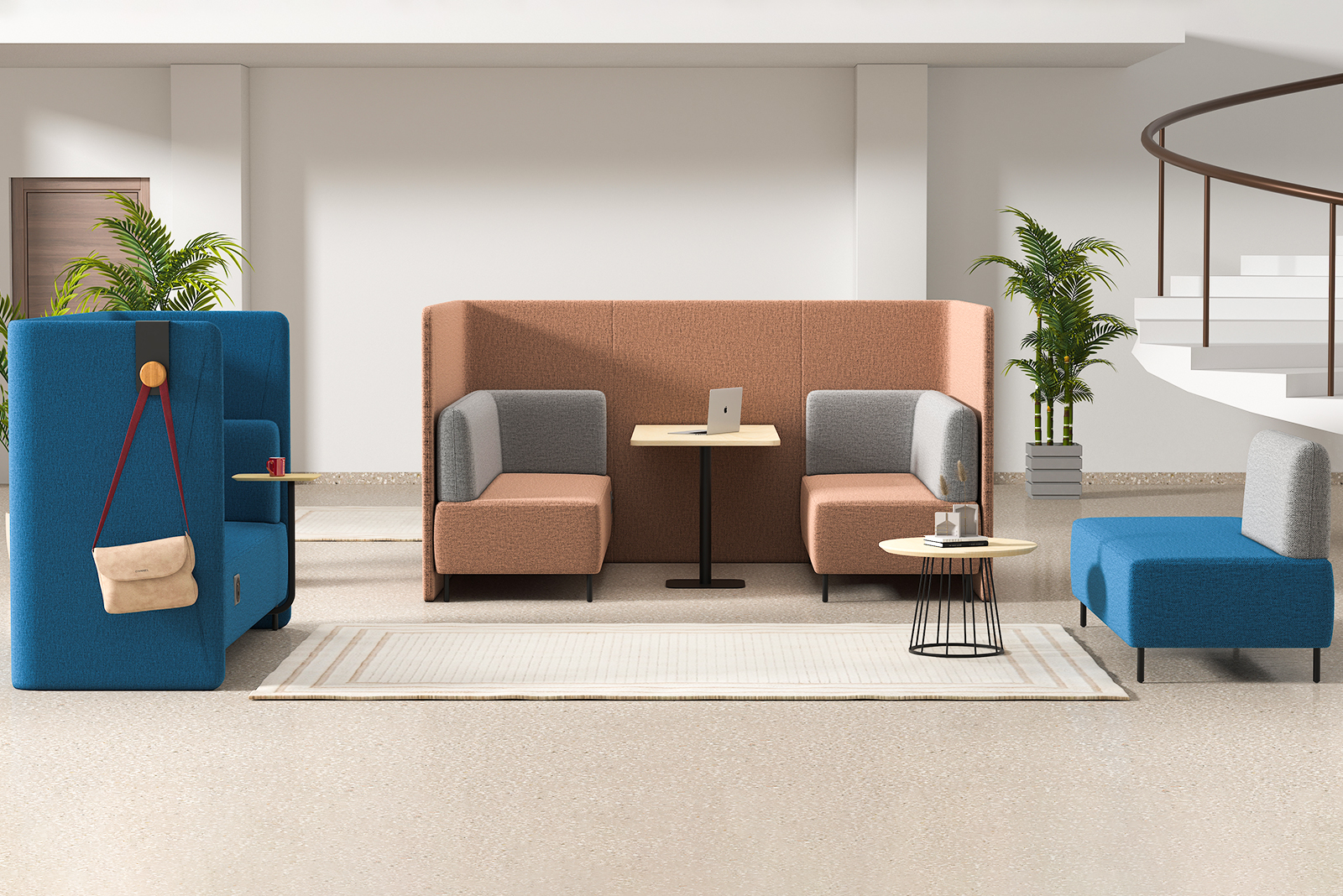
Planning furniture for a coworking space? This checklist covers durability, layout, and budgeting guidance from AFC Furniture Solutions
Why Does Coworking Furniture Procurement Need a Structured Checklist?
How Is Coworking Furniture Different from Standard Corporate Procurement?
According to the FICCI-CBRE report “Flex-plosion: India's Flexible Workspaces Era”, India's flexible office stock has surpassed 110-114 million square feet, a threefold increase since 2020, growing at a CAGR of 23-25%, with over 500 operators now running approximately 2,600 centres nationwide. This scale of growth means coworking furniture decisions are increasingly made by operators managing multiple locations simultaneously, not a single founder furnishing one room.
In a standard corporate office, the same individuals use the furniture every day. In a coworking space, every chair and desk is used by a rotating population of different people, often dozens of users across a single week. This single difference changes nearly every furniture specification decision an operator needs to make.
What Happens When Operators Skip the Planning Step?
Operators who furnish a coworking space without a structured checklist typically discover gaps only after the space opens: insufficient power points, chairs that show wear within months, and no acoustic separation for calls. Each gap is a daily friction point for paying members, and in a competitive coworking market, member experience directly drives retention.
What Should Be on Every Coworking Furniture Checklist?
Durability for Multi-User Daily Rotation
Every chair and desk in a coworking space is used by significantly more individual people per week than in a standard office. Commercial-grade construction rated for multi-user daily rotation is non-negotiable, not a premium upgrade.
Power Access at Every Seat
Every single seat in a coworking space should be within easy reach of a power socket. Members evaluating a space pay close attention to this detail, and its absence is among the most common complaints in shared workspaces.
Modular Systems for Layout Flexibility
Coworking spaces frequently need to reconfigure layouts as membership composition changes. Modular desks and seating systems allow this reconfiguration without requiring an entirely new furniture purchase each time a member needs to shift.
What Furniture Categories Need Separate Planning in a Coworking Space?
Hot Desks and Open Workstations
Hot desks need durable, easily cleaned surfaces and chairs that can be quickly adjusted by different users throughout the day. Simplicity of adjustment matters more here than in a private cabin, since users will not take time to learn complex mechanisms.
Private Cabins and Meeting Rooms
Private cabins and meeting rooms justify a more premium furniture specification, since members renting these spaces are paying a premium and expect a corresponding visual and functional quality.
Breakout and Lounge Zones
Breakout and lounge furniture shapes the informal, social character of a coworking space and is frequently the most photographed and most member-discussed area of the entire facility.
.webp)
Tip:
Walk through your planned layout checklist item by item with a stopwatch, timing how long it takes a new member to find a seat, locate a power socket, and settle into focused work. Friction discovered in this walkthrough is far cheaper to fix on paper than after furniture has been installed and members have already formed an impression.
How Should Operators Budget and Phase Their Furniture Checklist?
Prioritising High-Wear Zones First
Hot-desk and open workstation areas experience the highest usage intensity and should receive the largest share of the commercial-grade furniture budget, since failures here are the most visible to the largest number of members.
Planning for Phase 2 Expansion
A modular furniture system allows operators to launch with a leaner initial fit-out and add capacity in phases as membership grows, rather than overcommitting capital before demand is proven.
Balancing Aesthetic Appeal with Commercial-Grade Build
A visually striking space attracts members initially, but commercial-grade build quality determines whether that same furniture still looks presentable a year later. Both must be checklist items, not a trade-off between one or the other.
What Are the Common Checklist Mistakes Coworking Operators Make?
Underspecifying for Daily Multi-User Wear
Furniture specified for single-user offices frequently fails within months under coworking-level multi-user rotation. Always confirm with any supplier that the specific product is rated for commercial, multi-user daily use, not just general commercial use.
Forgetting Acoustic and Privacy Needs
Open coworking layouts can become noisy. Acoustic pods or partition screens for private calls are frequently missing from initial furniture checklists, only to be added later at greater cost and disruption.
Buying Residential-Grade Furniture for Commercial Use
Residential furniture at a lower price point may look comparable in photographs but will not survive the intensity of coworking use, typically requiring replacement within six to twelve months against the five to ten years a properly rated commercial product delivers. For a more profound look at how the right coworking furniture also shapes member attraction and retention, see our companion guide on How to Choose Coworking Office Furniture That Attracts More Members.
Bonus Point:
Build a simple one-page furniture checklist organised by zone (hot desks, cabins, meeting rooms, and breakout areas) with three columns: required feature, minimum specification, and verified supplier confirmation. This single document prevents the most common coworking fit-out failure: discovering a missed requirement only after the space has already opened to members.
How AFC Furniture Solutions Supports Coworking Operators in India
What Does AFC Offer for Coworking Furniture Needs?
AFC Furniture Solutions offers commercial-grade modular workstations, ergonomic seating, and soft seating suited to the multi-user daily rotation that coworking environments require. Explore the full AFC Furniture Solutions Workstations range to compare configurations suited to hot-desk and open coworking layouts.
What Quality Standards Back AFC Furniture Solutions?
AFC Furniture Solutions holds BIFMA Level 3 certification, confirming structural and durability standards appropriate for the sustained multi-user intensity of coworking environments, manufactured at the Greater Noida facility.
Frequently Asked Questions
Q1. What makes coworking furniture different from regular office furniture?
Coworking furniture is used by a much higher number of different individuals per week than standard office furniture, requiring commercial-grade construction rated specifically for multi-user daily rotation.
Q2. How many power points should a coworking space have per seat?
Every single seat should have easy access to a power socket. This is one of the most consistently cited member expectations in shared workspaces.
Q3. Should coworking furniture be modular?
Yes, wherever possible. Modular systems allow layout reconfiguration as membership composition changes without requiring a complete furniture replacement.
Q4. How long should commercial coworking furniture last?
Properly rated commercial furniture should last five to ten years under coworking-level use, compared to six to twelve months for residential-grade alternatives used in the same conditions.
Q5. What is the biggest mistake coworking operators make with furniture?
Underspecifying for multi-user daily wear by choosing furniture rated for standard single-user office use rather than genuine commercial multi-user rotation.
Q6. Does AFC Furniture Solutions supply furniture for coworking spaces across India?
Yes, through its pan-India network covering Noida, Gurugram, Mumbai, Pune, Bengaluru, Hyderabad, and Chennai.
Final Thoughts
A structured coworking space furniture checklist is what separates a shared workspace that retains members from one that loses them to a more comfortable, better-equipped competitor down the street.
Explore Other Popular Blogs



Let’s build together
Tell us about your project and we’ll help you plan, design, and deliver at scale.
.jpg)
.svg)