.svg)
How to Choose Coworking Office Furniture That Attracts More Members

Discover how the right coworking office furniture attracts more members, boosts comfort, and builds a thriving shared workspace in India.
The way Indians work has changed dramatically. Freelancers, remote employees, and fast-growing startups no longer want to be tied to a conventional grey office. Shared workspaces are booming across Delhi, Mumbai, Bangalore, and beyond — and the furniture inside them is often the deciding factor between a full house and empty desks.
When a potential member walks through your door, they are asking one silent question: "Can I work here comfortably for eight hours?" The right furniture answers that question before you say a word.
Why Furniture Is Central to Your Coworking Business
In a traditional office, employees have no choice about where they sit. In a coworking space, every member is a paying customer who can leave at any time. That single fact changes everything about how you should approach your furniture investment.
Well-chosen furniture serves three essential purposes. It supports physical health through ergonomic design, which reduces back pain and fatigue over long working days. It reinforces your brand by projecting a modern, professional image. And it encourages collaboration by creating environments where people naturally connect and share ideas.
The Essential Furniture Categories for a Coworking Space
A successful shared workspace needs more than a row of identical desks. Here is a breakdown of the key zones and what each one requires.
Ergonomic Desks and Chairs
This is where your members spend the majority of their time, so it demands your biggest investment. Choose chairs with adjustable height, lumbar support, and breathable mesh upholstery — particularly important in India's warm climate. For desks, a mix of long communal tables and smaller individual workstations gives members the freedom to choose how they prefer to work.
Explore AFC India's Workstations collection for durable, well-designed options that suit both open-plan coworking floors and compact individual setups.
Meeting and Collaboration Rooms
Every professional needs a private space for client calls, team discussions, or focused project work. Equip these rooms with a solid central table that has built-in power and cable management. Neat, wire-free tables signal professionalism and make a strong impression on visiting clients.
Flexible Zones for Startups and Small Teams
Startups are among the most active members of any coworking community. They need furniture that can adapt quickly — lightweight modular desks that reconfigure as the team grows, combined with open seating that encourages informal brainstorming. A splash of colour in these zones adds energy without overwhelming the broader aesthetic.
Acoustic Pods and Phone Booths
Open-plan offices can get loud. Acoustic pods give members a private space for deep work or sensitive calls without the cost of building permanent walls. These freestanding units are one of the smartest additions you can make to any shared workspace today.
Casual and Breakout Seating
Sofas near the entrance, high tables with bar stools by the pantry, and a few lounge chairs scattered around the space recreate the relaxed, café-like atmosphere that many remote workers actually miss. These informal zones often become the most-used — and most photographed — parts of a coworking space. AFC India's Soft Seating range offers a variety of lounge and sofa options well suited to these breakout areas.
A Practical Step-by-Step Buying Guide
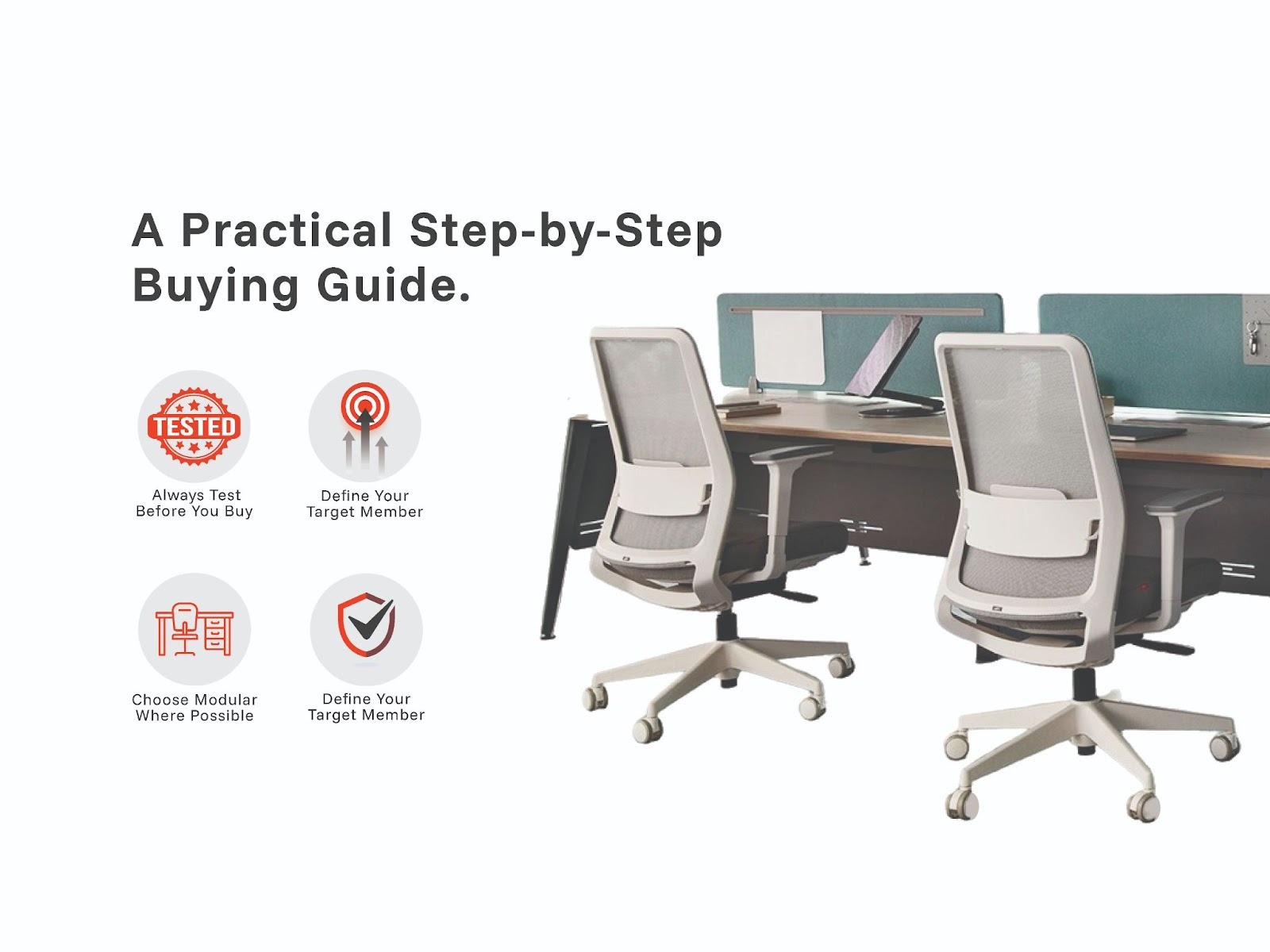
Step 1: Define Your Target Member
Your furniture should speak to the people you want to attract. Young tech professionals and creatives respond well to bold colours and contemporary design. Lawyers, consultants, and finance professionals tend to prefer warm wood tones and a quieter, more refined palette. Getting this right from the start saves costly redesigns later.
Step 2: Always Test Before You Buy
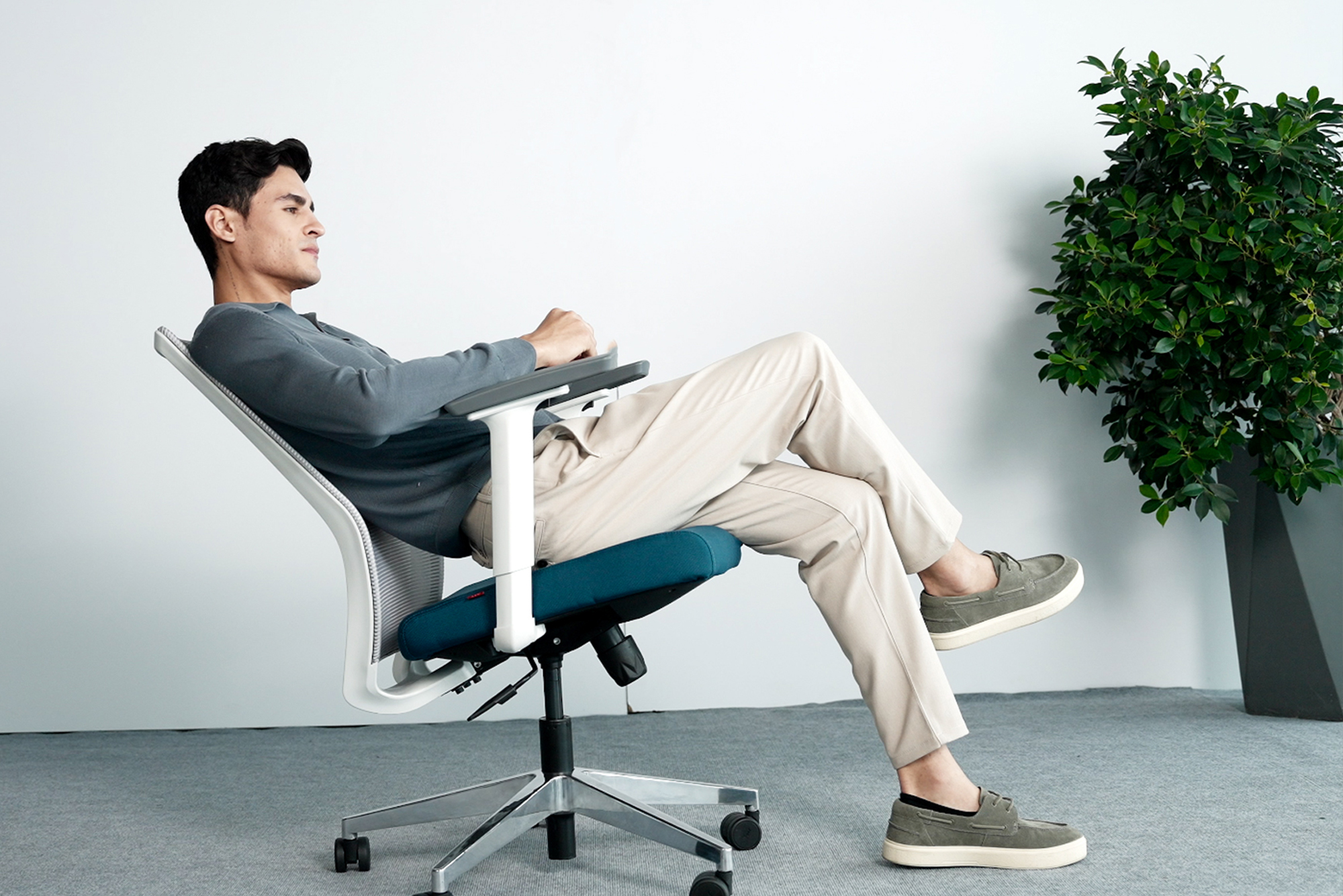
Never purchase a chair without sitting in it for at least ten minutes. If you feel discomfort that quickly, your members certainly will. Prioritise high-density foam, adjustable armrests, and breathable fabric. For India's climate, mesh-back chairs are almost always a better choice than leather or vinyl.
Step 3: Invest in Commercial-Grade Quality
Coworking furniture takes a beating. Different people sit in the same chair dozens of times a week. Furniture rated for commercial use is built to withstand this level of daily use and will last five to ten years, whereas budget pieces may need replacing within six to twelve months.
Step 4: Choose Modular Where Possible
Your space will evolve. A team of three could become a team of twelve within a year. Modular desks and seating systems let you reconfigure your layout without buying entirely new pieces, protecting your initial investment while keeping the space fresh.
Small Details That Have a Big Impact
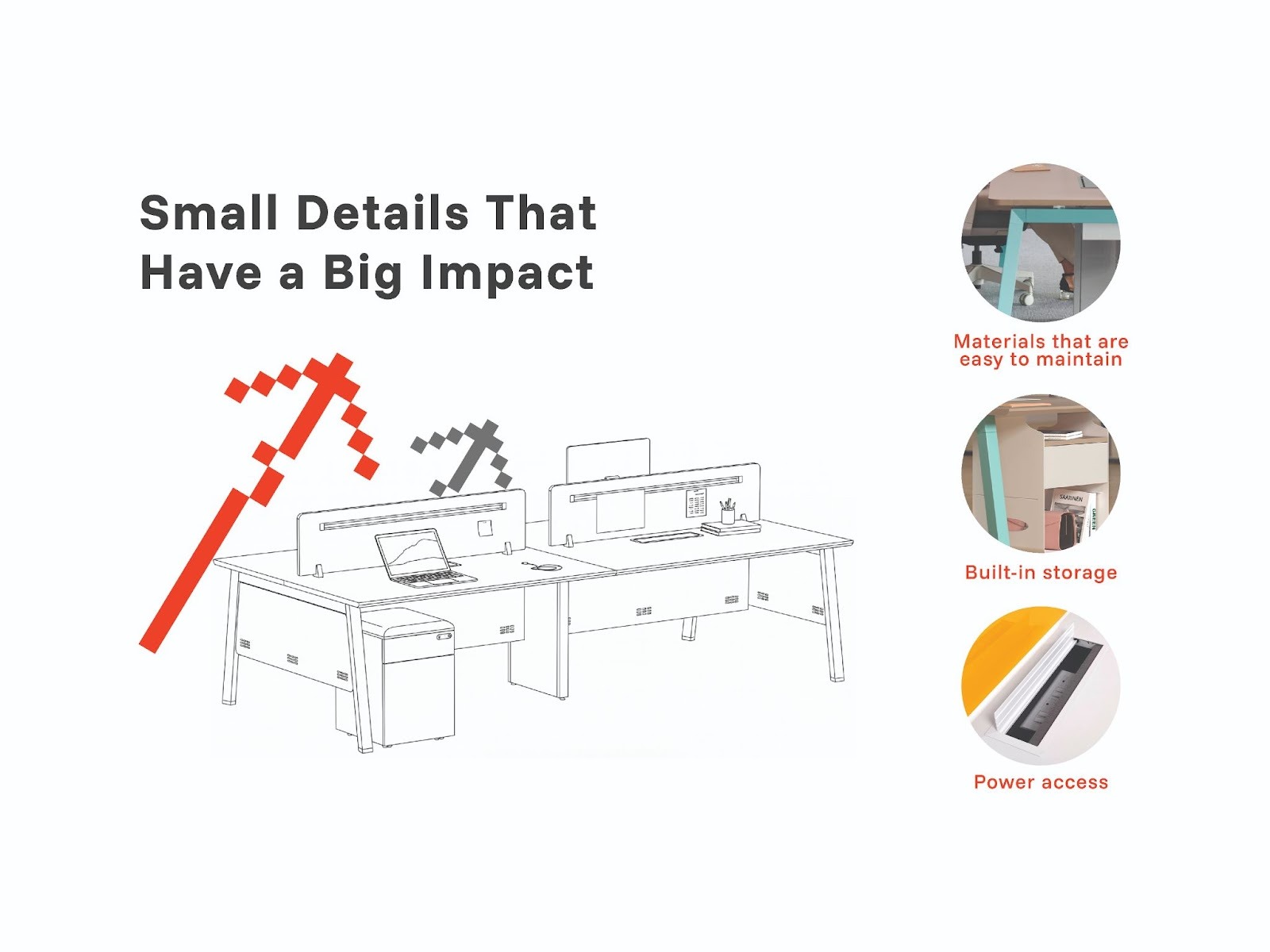
Power access: Every single seat should be within easy reach of a socket. Desks with integrated USB ports and standard Indian power points remove a daily frustration that, though small, quietly erodes member satisfaction.
Built-in storage: Drawers and lockers tucked into desks keep surfaces clear and the office looking tidy. A clean, uncluttered workspace is consistently rated as one of the top factors members consider when choosing or renewing at a coworking space.
Materials that are easy to maintain: Laminate desk tops resist stains far better than untreated wood. Dark upholstery conceals dust and wear. Metal legs are simpler to clean around during daily maintenance. These practical choices reduce your ongoing operating costs significantly.
How to Arrange Your Furniture for Maximum Impact
Layout is just as important as what you buy. A few principles to follow:
Avoid overcrowding at all costs. A space that feels like a call centre will never attract the professionals and creatives you want. Members need room to breathe, both physically and psychologically.
Create clear, unobstructed walkways. People should be able to move through the office without having to squeeze past chairs or bump into bags.
Position primary workstations near natural light. Sunlight improves mood, reduces eye strain, and makes your space genuinely more pleasant to photograph and share on social media — which is free marketing you should not underestimate.
Where to Source Quality Office Furniture in India
When selecting a furniture partner, look for a supplier with proven experience in commercial and office environments. AFC Solutions has a strong reputation in this space, offering ranges suited to a variety of coworking requirements.
Their Executive Desk series suits private cabins and director rooms, while the Workstation collection works well for open-plan layouts where durability and a clean aesthetic are the priority.
Making Members Feel They Belong
The coworking spaces with the highest retention rates do one thing exceptionally well: they feel like a community, not a rental arrangement. Furniture plays a surprisingly large role in this. A well-placed sofa, a plant-friendly shelf, or a quality rug that softens the acoustics of a room all contribute to an atmosphere where people want to linger rather than rush out.
When members feel comfortable, they stay longer. When they stay longer, they recommend your space to others. That word-of-mouth is far more powerful than any marketing campaign.
A great coworking space is not built once — it is refined continuously. Listen to your members, invest where it matters most, and the community you create will be your most reliable growth engine.
Frequently Asked Questions
Q1. What is the single most important quality to look for in coworking furniture?
Comfort, specifically ergonomic support. Members who experience back pain or fatigue will not renew their membership, regardless of how good everything else is.
Q2. How much should I budget for furniture?
Allocate your highest spend to chairs and desks — the items people interact with most. Decorative and accent pieces can be sourced more economically without affecting the member experience.
Q3. What is modular furniture and why does it matter?
Modular furniture is designed to be rearranged, expanded, or reduced without replacing entire pieces. For a coworking space, where team sizes and layouts change constantly, this flexibility is invaluable.
Q4. How do I give my space a modern look without overspending?
Stick to clean lines, neutral base tones, and a few well-placed accent colours. Avoid heavy, ornate furniture. Even modest pieces look contemporary when the space is tidy and well-lit.
Q5. Can furniture help with noise management?
Yes. High-back sofas, acoustic pods, fabric dividers, and soft floor coverings all absorb sound. In a busy open-plan office, these additions meaningfully improve concentration and member wellbeing.
Q6. Are standing desks worth adding?
Absolutely. Offering even a small number of height-adjustable desks as shared options appeals to health-conscious members and signals that you take their wellbeing seriously.
Q7. How do I manage cables and keep desks tidy?
Look for desks with integrated cable management channels, grommets, or under-surface trays. Hidden wiring makes a space look significantly more professional and reduces tripping hazards.
Q8. How long should quality coworking furniture last?
Commercial-grade furniture typically lasts between five and ten years with regular cleaning and prompt minor repairs. The upfront cost is higher, but the total cost of ownership is considerably lower than replacing cheaper furniture every year or two.
Contact Us
Ready to transform your coworking space with the right furniture? We are here to help you every step of the way — from selecting the perfect pieces to planning your ideal layout.
📧 Email: customercare@afcindia.in
📞 Phone: +91 9999006933
🌐 Website: www.afcindia.in
Head Office: Plot No. 33, Ecotech 12, Greater Noida West, UP – 201310
Experience Centres: Noida · Gurugram · Mumbai · Bengaluru · Hyderabad· Pune
Explore Other Popular Blogs

Let’s build together
Tell us about your project and we’ll help you plan, design, and deliver at scale.
.jpg)
.svg)