.svg)
Ergonomic Office Chair vs Normal Chair: Which is Better for Long Working Hours?
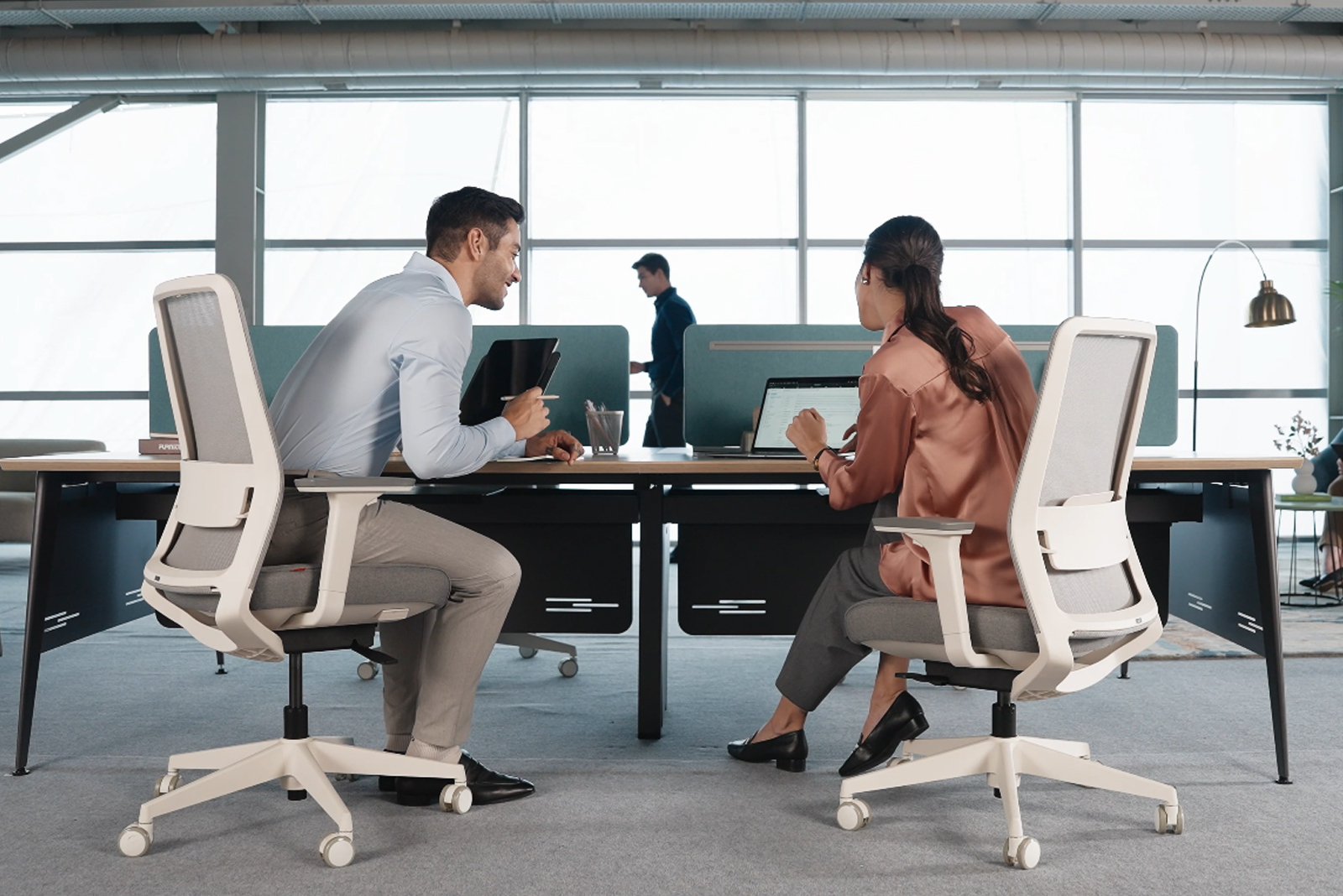
Choosing between an ergonomic office chair and a normal chair can impact posture, comfort, and productivity. Ergonomic chairs offer adjustability and spinal support for long working hours, while normal chairs provide basic seating. This guide helps you choose confidently.
Long hours at a desk can quietly shape your health, which is why the debate around Ergonomic Office Chair vs Normal Chair matters more than most people realize. What may seem like a simple seating choice can influence posture, comfort, and productivity over time. Ergonomic office chairs are built with adjustability, spinal alignment, and pressure relief in mind, while normal chairs usually offer basic seating without personalized support.
For traditional office professionals and remote workers , this difference can affect daily energy levels and long-term physical well-being. This article will guide readers through the key differences, real benefits, and practical insights needed to choose the right chair for long working hours with confidence.
What Are Ergonomic Chairs?
An ergonomic chair is a specially designed office chair created to support the body and reduce discomfort during long hours of sitting. It offers adjustable features that allow users to customize the chair based on their body shape and working posture. The main focus is to support the back, neck, and spine while maintaining proper alignment. By encouraging good posture, an ergonomic chair helps minimize strain, fatigue, and long-term body stress.
Some key capabilities of ergonomic chair include
When comparing an Ergonomic Office Chair vs Normal Chair, one of the biggest differences lies in the features and capabilities designed to support your body and boost productivity
- Adjustable Seat Height and Depth: To fit your body and desk setup. This keeps your feet flat on the floor, knees comfortable, and thighs properly supported, unlike regular chairs with fixed heights.
- Lumbar Support: That aligns with the natural curve of your lower spine. This reduces back strain and prevents slouching, something normal chairs often fail to provide.
- Adjustable Armrests: Armrests can move up, down, or sideways to support shoulders and neck during work. Fixed armrests on standard chairs can cause tension and fatigue over time.
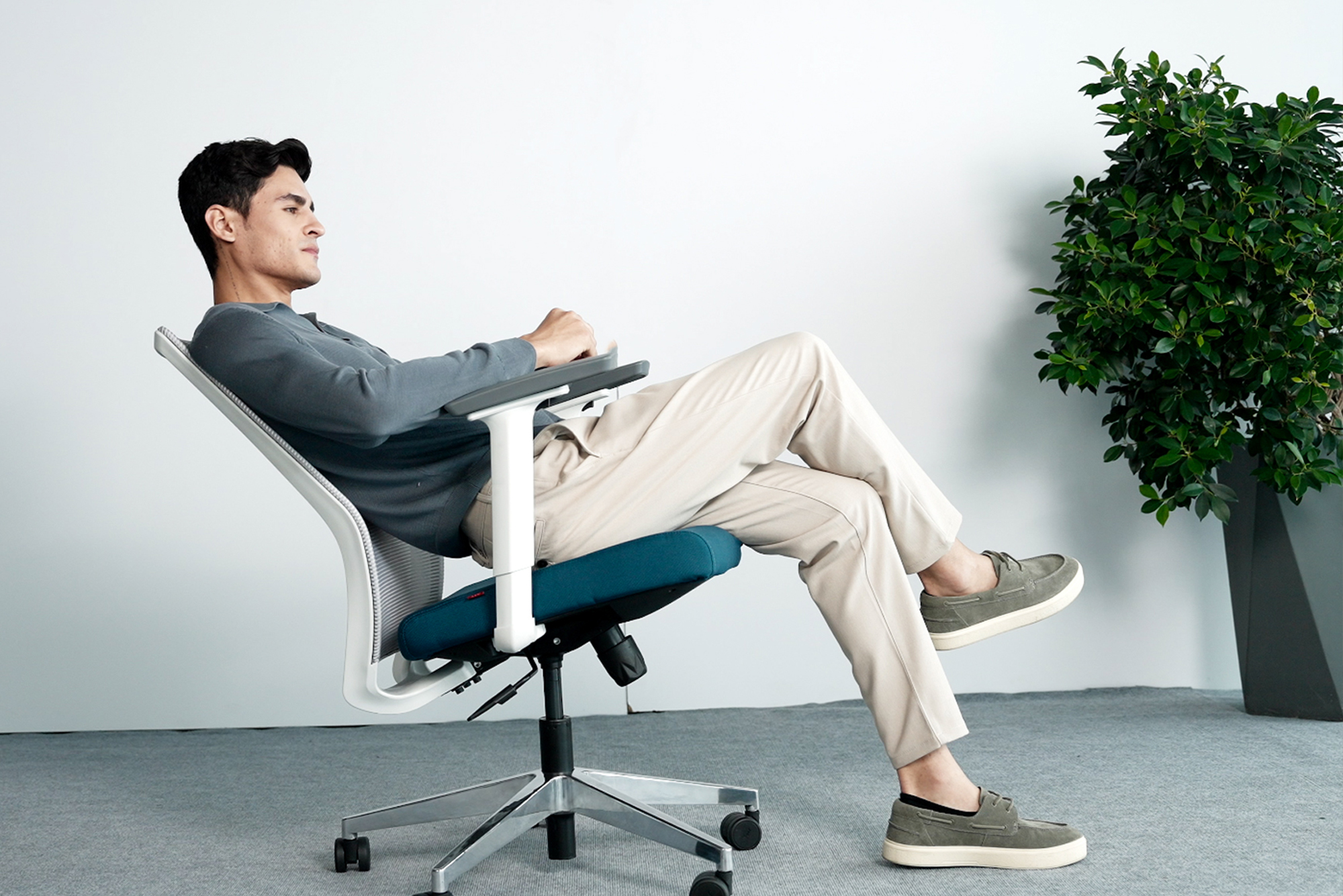
- Recline and Tilt Functions: Allows multiple angles to evenly distribute body weight. Normal chairs usually have a rigid position, which can create pressure points.
- Swivel and Mobility: Let you reach different areas of your desk without twisting your body. This reduces repetitive strain and encourages a more active sitting posture.
- Breathable and Supportive Materials: Breathable, supportive materials like mesh or high-quality cushioning adapt to your body and allow airflow. Standard chairs often feel stiff and trap heat, reducing long-term comfort.
- Customizable Features: Such as seat firmness and tilt tension, provide a personalized seating experience. This level of adjustment is rarely available in regular office chairs.
Ergonomic chairs do much more than just provide a place to sit; they promote proper posture, reduce physical strain, and keep you comfortable throughout long workdays. Don’t worry, visit AFC Furniture Solutions that builds to provide adjustable support, breathable materials, and durable design to experience unmatched comfort & productivity.
Read more: How Ergonomic Office Furniture Enhances Employee Productivity
What is a Regular Office Chair?
A regular office chair is the traditional type of chair commonly found in many workplaces. It serves its basic purpose but offers limited comfort and very little customization. These chairs usually have a simple design with few adjustable features. Because of this, they may not provide enough support for the body, especially during long hours of sitting.
Typical capabilities of a normal office chair include
In the discussion of Ergonomic Office Chair vs Normal Chair, the main contrast is in how each supports your body during work. Normal office chairs provide basic seating with limited adjustability, which can lead to discomfort over time.
- Basic Seat Height: Usually fixed or only slightly adjustable, which may not suit all body types or desk setups.
- Limited Back Support: Offers minimal lumbar or spinal support, which can lead to slouching and discomfort over time.
- Fixed Armrests: Armrests are generally non-adjustable, causing potential shoulder and neck strain during long hours.
- Minimal Recline or Tilt: Most normal chairs have little to no reclining feature, reducing comfort during extended sitting.
Basic Materials and Design: Uses simple cushioning or hard surfaces with limited airflow, providing less long-term comfort compared to ergonomic options.
Ergonomic Chairs vs. Regular Chairs: Key Differences
When it comes to choosing the right chair for long working hours, understanding the differences between an Ergonomic Office Chair vs Normal Chair is essential.
1. Adjustable Features
Ergonomic chairs offer multiple adjustable options, including seat height, depth, armrests, headrest tilt, and lean-back feature, allowing users to create a position tailored to their body and desk setup. These adjustments help maintain proper posture and reduce strain during extended work sessions.
On the other hand, standard chairs often provide minimal or no adjustability, forcing users to adapt their posture to the chair. Sitting in a fixed position for long periods can increase tension and contribute to long-term musculoskeletal problems. Customizable features make these chairs a proactive solution for both comfort and productivity.
2. Lumbar Support
Built-in or adjustable lumbar support in ergonomic chairs maintains the natural curve of the lower spine, reducing slouching and preventing strain. This feature is crucial for avoiding chronic lower back pain, one of the most common problems among office workers.
In contrast, many basic office chairs lack proper lumbar support, leaving the lower back unsupported. Extended use of these chairs can lead to poor posture and long-term spinal issues. Proper lumbar support is a key reason to invest in an ergonomic chair for daily use.
3. Productivity
Comfort and proper support can help you focus and stay efficient throughout the workday. By reducing discomfort and fatigue, these chairs minimize distractions and the need for frequent breaks.
Traditional chairs, however, can cause constant fidgeting or short breaks due to discomfort, reducing overall productivity. Over time, this can impact work efficiency and task completion. Ergonomic seating allows users to maintain consistent energy and concentration.
4. Health Benefits
Promotes healthy posture, improves circulation, and reduces strain on muscles and joints. They lower the risk of long-term issues such as back, neck, and shoulder pain.
In comparison, sitting on conventional chairs with minimal support can contribute to poor posture, fatigue, and musculoskeletal problems. Extended use of non-ergonomic seating may negatively affect overall health. For professionals who sit for long periods, ergonomic chairs are a proactive solution for maintaining well-being.
5. Durability and Investment
High-quality ergonomic chairs are built with premium materials and sturdy construction, designed to last for years, making them a reliable long-term investment. While they cost more upfront than standard chairs, the durability, comfort, and health benefits they provide far outweigh the initial price.
Basic chairs often wear out quickly, lose cushioning, and need frequent replacement, which adds up over time. Investing in an ergonomic chair ensures better value, improved posture, and enhanced productivity, making it truly worth every dollar.
6. Seat Material
Ergonomic chairs are crafted with breathable mesh or high-quality cushioning that contours perfectly to your body, offering both support and comfort for hours on end. This design promotes airflow, keeping you cool and reducing sweat or discomfort even during long workdays. The cushioning also helps distribute weight evenly, preventing pressure points and improving circulation.
Many traditional chairs, by comparison, use stiff or low-quality materials that can trap heat and lose shape over time, offering uneven support. Choosing an ergonomic chair means investing in superior comfort, long-term support, and a seating experience that truly adapts to you.
Must read: How to Choose the Right Ergonomic Office Chair for Comfort and Productivity
Essential Features to Consider While Purchasing an Ergonomic Chair

- Adjustable Features: A good ergonomic chair should allow adjustments in seat height, seat depth, tilt, recline, armrests, and lumbar support. These options let you customize the chair to your body, keep your feet flat on the floor, maintain proper knee angles, relieve shoulder and back tension, and distribute weight evenly, making long hours of work far more comfortable.
- Chair Dimensions: The overall size of the chair, including seat width, depth, and backrest height, is crucial for proper posture. A chair that fits your body ensures better support and avoids pressure points, while a poorly sized chair can lead to discomfort and fatigue.
- Breathable Materials and Cushioning: The Seats, backrests, and armrests should be well-padded to reduce strain and enhance comfort, following HSE (Health, Safety, and Environmental) guidelines. Breathable fabrics or high-quality mesh improve airflow, while multi-stretch polyurethane (PU) covers adapt to your movements and help regulate dampness. These features ensure long-lasting support, keep you cool, and make long hours of sitting more comfortable and healthy.
How to Properly Use Ergonomic Chairs to Maximize Its Benefits?
When comparing Ergonomic Office Chair vs Normal Chair, the real difference lies in how the chair supports your body throughout the workday. Using an ergonomic chair correctly helps maximize comfort, reduce physical strain, and protect your health, especially during long hours of sitting
Step 1: Set the Seat Height

Sit on the chair and adjust the height until both feet rest flat on the floor. Your knees should be level with or slightly lower than your hips to reduce pressure on your legs and improve circulation.
Step 2: Adjust the Seat Depth

Slide the seat forward or backward so there is about two to three fingers of space between the edge of the seat and the back of your knees. This ensures your thighs are supported without cutting off blood flow.
Step 3: Position the Lumbar Support

Adjust the lumbar support so it fits snugly into the natural curve of your lower back. You should feel supported without being pushed forward, helping you sit upright without strain.
Step 4: Align the Backrest and Recline

Sit back fully and adjust the backrest angle slightly reclined, around 100–110 degrees. This position reduces spinal pressure while still keeping you alert and comfortable.
Step 5: Adjust the Armrests

Raise or lower the armrests so your elbows rest comfortably at your sides and your shoulders stay relaxed. Your arms should form a natural 90-degree angle while typing or using a mouse.
Step 6: Set the Headrest

Adjust the headrest to support the back of your head and neck, not push it forward. It should support you when you lean back, helping reduce neck and shoulder tension.
Step 7: Sit Properly Throughout the Day

Always sit with your back against the backrest and avoid leaning forward or perching on the edge of the seat. Shift positions occasionally and use the recline feature to keep your body active.
You may also like: Top 7 Ergonomic Chairs for Remote Work You’ll Wish You Bought Sooner
Conclusion
Choosing the right chair is more than a comfort decision, it's a health and productivity investment. This guide shows that the real difference in the Ergonomic Office Chair vs Normal Chair debate lies in support, adjustability, and long-term well-being. At first glance, regular office chairs may seem like the budget-friendly option, but their limitations often become clear over time. When comfort, health support, and productivity are taken into account, ergonomic chairs offer far greater value despite a higher upfront cost. They are designed not just to make sitting easier, but to support your body properly and reduce the risk of pain that can interfere with your work and well-being.
Consider how many hours you spend sitting each day and invest in a chair that keeps you comfortable, supported, and healthy over the long term. Your back, neck, and productivity will benefit! Don’t wait to upgrade to an ergonomic chair from AFC Furniture Solutions today and feel the difference.
FAQ’s About Ergonomic Chair & Normal Chair
What is the main difference between an ergonomic office chair vs normal chair?
A: An ergonomic office chair provides adjustable support, promotes proper posture, and reduces strain, while a normal chair offers basic seating with minimal comfort and customization.
Is there a difference in materials between ergonomic office chairs vs normal chairs?
A: Ergonomic chairs typically use breathable, high-quality cushioning that promotes airflow, unlike normal chairs that often feel stiff and trap heat.
Will an ergonomic chair really make a difference in your daily comfort?
A: Yes, ergonomic chairs are designed to reduce strain on your back, neck, and shoulders, making long hours at your desk far more comfortable than a regular chair.
How do you know if an ergonomic chair is worth the price?
A: While ergonomic chairs cost more upfront, they provide long-term health benefits, improved posture, and durability, making them a smarter investment than standard chairs.
Can an ergonomic chair help with existing back or neck pain?
A: Ergonomic chairs support proper spinal alignment and encourage healthy posture, which can relieve pressure and discomfort that standard chairs often worsen.
Explore Other Popular Blogs


Let’s build together
Tell us about your project and we’ll help you plan, design, and deliver at scale.
.jpg)
.svg)